


The surface finish of a 32 cavity preform mold plays a crucial role in the quality and performance of the preforms it produces. As a leading supplier of 32 cavity preform molds, we understand the significance of achieving the right surface finish for optimal results. In this blog post, we will explore what surface finish means in the context of preform molds, its importance, and the different types of surface finishes commonly used in the industry.
Understanding Surface Finish
Surface finish refers to the texture and quality of the surface of a mold. It encompasses various aspects such as roughness, waviness, and lay. In the case of a 32 cavity preform mold, the surface finish directly impacts the appearance, functionality, and release properties of the preforms. A smooth and consistent surface finish is essential for producing high-quality preforms with excellent clarity, dimensional accuracy, and minimal defects.
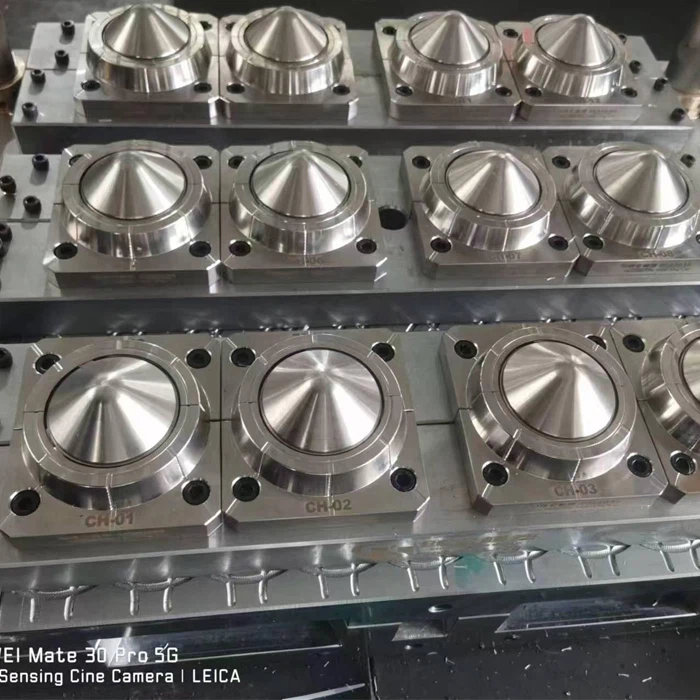

Importance of Surface Finish in Preform Molds
- Appearance: A high-quality surface finish on the mold results in preforms with a smooth and glossy appearance. This is particularly important for applications where the visual appeal of the final product is crucial, such as Water Bottle Preform Mold and cosmetic containers.
- Functionality: The surface finish affects the flow of the molten plastic during the injection molding process. A smooth surface allows for better plastic flow, reducing the likelihood of flow marks, weld lines, and other defects. This ensures that the preforms have consistent wall thickness and mechanical properties.
- Release Properties: A proper surface finish facilitates easy ejection of the preforms from the mold. It reduces friction between the preform and the mold surface, preventing sticking and damage to the preforms during the demolding process.
- Durability: A well-finished mold surface is more resistant to wear and corrosion, extending the lifespan of the mold. This reduces the frequency of mold maintenance and replacement, resulting in cost savings for the manufacturer.
Types of Surface Finishes for Preform Molds
- Polished Finish: A polished finish is the smoothest and most reflective surface finish. It is achieved by using abrasive materials to remove any surface imperfections and create a mirror-like surface. Polished finishes are commonly used for applications where high clarity and a glossy appearance are required, such as 8 Cavity Preform Mold for beverage bottles.
- Textured Finish: Textured finishes are used to add a specific surface pattern or texture to the preforms. This can be done for aesthetic purposes or to improve the grip of the final product. Textured finishes can range from fine grain patterns to more complex designs, depending on the customer's requirements.
- Matte Finish: A matte finish provides a non-reflective surface with a soft, velvety appearance. It is often used for applications where a more subdued or elegant look is desired, such as Jar Preform Mold for food products.
- Electroless Nickel Plating: Electroless nickel plating is a surface treatment that involves depositing a layer of nickel on the mold surface. This treatment improves the hardness, corrosion resistance, and release properties of the mold. It also provides a smooth and uniform surface finish.
Factors Affecting Surface Finish
- Material Selection: The choice of mold material can significantly impact the surface finish. High-quality tool steels, such as P20 and H13, are commonly used for preform molds due to their excellent machinability and ability to achieve a smooth surface finish.
- Machining Processes: The machining processes used to manufacture the mold, such as milling, turning, and grinding, can affect the surface finish. Precision machining techniques and the use of high-quality cutting tools are essential for achieving a consistent and smooth surface.
- Surface Treatment: Surface treatments, such as polishing, plating, and coating, can enhance the surface finish of the mold. The type and quality of the surface treatment used depend on the specific requirements of the application.
- Maintenance and Cleaning: Proper maintenance and cleaning of the mold are crucial for maintaining the surface finish. Regular cleaning and inspection can prevent the buildup of dirt, debris, and plastic residues, which can affect the surface quality of the preforms.
Our Approach to Surface Finish
As a supplier of 32 cavity preform molds, we take a comprehensive approach to surface finish to ensure the highest quality of our products. Our team of experienced engineers and technicians uses state-of-the-art machining and surface treatment technologies to achieve the desired surface finish for each mold.
- Material Selection: We carefully select the mold material based on the specific requirements of the application. Our molds are made from high-quality tool steels that offer excellent machinability, durability, and surface finish.
- Precision Machining: We use advanced CNC machining centers and precision grinding equipment to ensure the accuracy and consistency of the mold dimensions. Our machining processes are carefully controlled to minimize surface roughness and achieve a smooth finish.
- Surface Treatment: We offer a range of surface treatments, including polishing, plating, and coating, to enhance the surface finish of the mold. Our surface treatment processes are designed to improve the release properties, corrosion resistance, and durability of the mold.
- Quality Control: We have a rigorous quality control system in place to ensure that every mold meets our high standards of quality. Our quality control team conducts thorough inspections of the mold surface finish using advanced measuring equipment to ensure that it meets the specified requirements.
Conclusion
The surface finish of a 32 cavity preform mold is a critical factor in the production of high-quality preforms. A smooth and consistent surface finish ensures excellent appearance, functionality, and release properties of the preforms. At our company, we are committed to providing our customers with the highest quality 32 cavity preform molds with the best surface finish. If you are interested in learning more about our products or would like to discuss your specific requirements, please feel free to contact us. We look forward to working with you to meet your preform mold needs.
References
- "Injection Molding Handbook" by O. Olszewski
- "Mold Design for Plastics" by R. A. Malloy
- "Surface Engineering for Plastics Molds" by Y. K. Wong


