


Repairing a PET preform mold is a crucial consideration for manufacturers in the plastic packaging industry. As a PET preform mold supplier, I've witnessed firsthand the impact that mold damage can have on production efficiency and cost. In this blog, I'll delve into the factors that influence the cost of repairing a PET preform mold and provide insights to help you make informed decisions.
Factors Affecting the Cost of Repairing a PET Preform Mold
1. Extent of Damage
The most significant factor influencing the repair cost is the extent of damage to the mold. Minor issues such as surface scratches or small dents can often be repaired relatively inexpensively. These types of repairs may involve simple processes like polishing or filling the damaged area. On the other hand, more severe damage, such as cracked cavities or broken cores, can be much more costly to fix. In some cases, extensive damage may even require the replacement of entire mold components, which can significantly increase the repair cost.
2. Complexity of the Mold Design
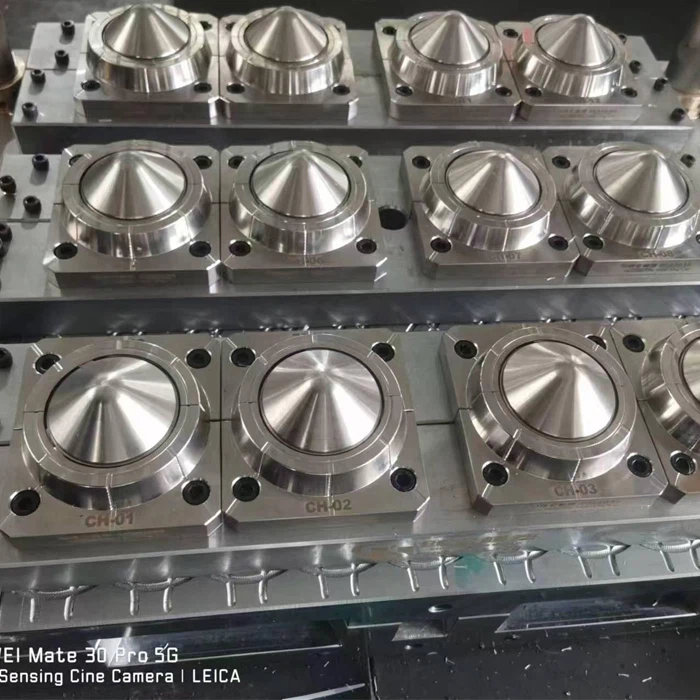
The complexity of the PET preform mold design also plays a role in determining the repair cost. Molds with intricate designs, multiple cavities, or specialized features require more time and expertise to repair. For example, a Jar Preform Mold with a unique shape or a 16 Cavity Preform Mold that produces multiple preforms simultaneously may be more challenging to repair compared to a simple, single-cavity mold.
3. Material and Quality of the Mold
The material used to manufacture the mold and its overall quality can impact the repair cost. High-quality molds made from premium materials are generally more expensive to repair but may also last longer and require fewer repairs over time. Cheaper molds made from lower-quality materials may be more prone to damage and may need more frequent repairs, which can add up in the long run.
4. Labor Costs
Labor costs are another important factor in the repair process. The hourly rate of the technicians performing the repairs, as well as the amount of time required to complete the job, will affect the overall cost. Skilled technicians with experience in PET preform mold repair may charge higher rates, but their expertise can ensure a high-quality repair that minimizes downtime and maximizes the lifespan of the mold.
5. Location and Availability of Repair Services
The location of the repair facility and the availability of repair services can also influence the cost. If you need to ship the mold to a distant repair shop, you'll incur additional shipping costs. Additionally, if there is a high demand for mold repair services in your area, you may have to pay a premium for expedited service.
Estimating the Repair Cost
While it's difficult to provide an exact cost for repairing a PET preform mold without assessing the specific damage, we can provide a general range based on the factors mentioned above. Minor repairs, such as surface polishing or small dent filling, can cost anywhere from a few hundred dollars to a couple of thousand dollars. More extensive repairs, such as cavity replacement or core repair, can range from several thousand dollars to tens of thousands of dollars, depending on the complexity of the mold and the extent of the damage.

To get an accurate estimate for your specific mold repair needs, it's best to contact a professional PET preform mold repair service. They can assess the damage, provide a detailed repair plan, and give you a quote for the repair work.
Tips for Minimizing Repair Costs
1. Regular Maintenance
One of the most effective ways to minimize repair costs is to implement a regular maintenance program for your PET preform molds. This includes cleaning the molds after each use, inspecting them for signs of wear and tear, and performing preventive maintenance tasks such as lubrication and calibration. By catching and addressing minor issues early, you can prevent them from developing into more serious problems that require expensive repairs.
2. Proper Handling and Storage
Proper handling and storage of your PET preform molds can also help reduce the risk of damage. Make sure to use appropriate lifting equipment and follow the manufacturer's guidelines for handling the molds. When storing the molds, keep them in a clean, dry environment and protect them from dust, moisture, and other contaminants.
3. Training and Education
Providing training and education to your staff on proper mold handling, operation, and maintenance can also help minimize repair costs. By ensuring that your employees are knowledgeable and skilled in these areas, you can reduce the likelihood of human error and damage to the molds.
Conclusion
Repairing a PET preform mold can be a significant investment, but it's an essential part of maintaining the efficiency and productivity of your plastic packaging production line. By understanding the factors that influence the repair cost and taking steps to minimize damage and prevent problems, you can keep your repair costs under control and ensure the long-term success of your business.
If you're in need of a high-quality PET preform mold or require mold repair services, please don't hesitate to contact us. Our team of experts is dedicated to providing you with the best solutions for your specific needs. We look forward to working with you to help you achieve your production goals.
References
- Plastic Packaging Technology Handbook, Third Edition by Rosato, Rosato, and Schut
- Injection Molding Handbook by Johannaber and Michaeli


