


As a seasoned supplier of 1 Cavity Blow Molds, I've witnessed firsthand the challenges that manufacturers face when it comes to ensuring the long - term durability of these essential tools. A 1 Cavity Blow Mold is a key component in the production of various plastic products, from small bottles to intricate containers. In this blog, I'll share some practical strategies and insights on how to improve the durability of a 1 Cavity Blow Mold.
1. Material Selection
The choice of material for your 1 Cavity Blow Mold is fundamental to its durability. High - quality steel alloys are often the top choice. Tool steels such as P20 and H13 are popular due to their excellent mechanical properties. P20 steel is known for its good machinability and polishability, which is crucial for achieving a smooth surface finish on the molded products. It also has decent hardness and toughness, making it suitable for general - purpose blow molding applications.
H13 steel, on the other hand, is heat - treatable and offers superior resistance to thermal cracking. This is especially important in blow molding processes where the mold is subjected to repeated heating and cooling cycles. The ability of H13 to withstand high temperatures without losing its strength and hardness makes it ideal for more demanding applications.
When selecting the material, it's also important to consider the source. Reputable steel suppliers can provide materials with consistent quality and proper certifications. For instance, some suppliers offer steel that has been pre - treated to enhance its corrosion resistance, which can significantly extend the life of the mold, especially in environments where moisture or corrosive chemicals are present.
2. Precision Manufacturing
Precision in the manufacturing process is another critical factor in improving the durability of a 1 Cavity Blow Mold. Advanced machining techniques, such as computer - numerical - control (CNC) machining, ensure that the mold is produced with high accuracy. CNC machines can create complex geometries with tight tolerances, which is essential for a well - functioning blow mold.
During the manufacturing process, it's important to pay attention to details such as the surface finish. A smooth surface finish not only improves the appearance of the molded products but also reduces friction and wear. Polishing the mold cavities to a high standard can prevent the build - up of plastic residues, which can cause abrasion over time.
In addition, proper alignment of the mold components is crucial. Misaligned parts can lead to uneven stress distribution during the molding process, which can cause premature wear and even damage to the mold. Using high - precision alignment tools and fixtures during assembly can ensure that all components are in the correct position.
3. Heat Treatment
Heat treatment is a vital step in enhancing the durability of a 1 Cavity Blow Mold. The right heat - treatment process can improve the hardness, strength, and toughness of the mold material. Quenching and tempering are common heat - treatment methods used for blow molds.
Quenching involves rapidly cooling the heated mold material to transform its microstructure and increase its hardness. However, quenching can also introduce internal stresses in the mold. Tempering is then performed to relieve these stresses and improve the toughness of the material. By carefully controlling the temperature and time during the heat - treatment process, the desired balance between hardness and toughness can be achieved.
For example, if the mold is made of H13 steel, a typical heat - treatment cycle might involve heating the steel to around 1020 - 1050°C, quenching it in oil, and then tempering it at 550 - 650°C for several hours. This process can significantly improve the mold's resistance to wear, thermal fatigue, and deformation.
4. Surface Coating
Applying a surface coating to the 1 Cavity Blow Mold can provide an extra layer of protection and improve its durability. There are several types of coatings available, each with its own advantages.
One popular coating is titanium nitride (TiN). TiN coatings are hard, wear - resistant, and have low friction coefficients. They can reduce the adhesion of plastic to the mold surface, making it easier to eject the molded products. This not only improves the production efficiency but also reduces the risk of damage to the mold during the ejection process.
Another option is diamond - like carbon (DLC) coating. DLC coatings offer excellent hardness, chemical inertness, and low friction. They are particularly effective in preventing corrosion and reducing the build - up of contaminants on the mold surface. The smooth and hydrophobic nature of DLC coatings can also help to improve the flow of plastic during the molding process, resulting in better - quality products.
When applying a coating, it's important to ensure that the surface of the mold is properly prepared. This may involve cleaning, polishing, and etching the surface to ensure good adhesion of the coating.
5. Regular Maintenance
Regular maintenance is essential for keeping the 1 Cavity Blow Mold in good condition and extending its lifespan. A comprehensive maintenance plan should include routine inspections, cleaning, and lubrication.
Inspections should be carried out at regular intervals to check for signs of wear, damage, or corrosion. This can involve visual inspections as well as the use of non - destructive testing methods, such as ultrasonic testing or magnetic particle inspection, to detect internal defects.
Cleaning the mold after each production run is crucial to remove any plastic residues, lubricants, or other contaminants. Using appropriate cleaning agents and tools can ensure that the mold is thoroughly cleaned without causing damage. For example, soft brushes and non - abrasive cleaners can be used to clean the mold cavities.
Lubrication of moving parts, such as ejector pins and slides, is also important. Proper lubrication reduces friction and wear, ensuring smooth operation of the mold. It's important to use lubricants that are compatible with the mold material and the plastic being molded.
6. Operational Considerations
The way the 1 Cavity Blow Mold is operated can also have a significant impact on its durability. Operators should be trained to follow proper operating procedures to avoid unnecessary stress on the mold.
For example, the clamping force should be set correctly. Over - clamping can cause excessive stress on the mold, leading to deformation or cracking. On the other hand, under - clamping can result in flash or incomplete filling of the mold cavity.
The temperature of the mold and the plastic material should also be carefully controlled. Maintaining the correct temperature ensures proper flow of the plastic and reduces the risk of thermal stress on the mold. Using temperature sensors and controllers can help to achieve accurate temperature control.
In addition, the cycle time should be optimized. A too - short cycle time may not allow the plastic to fully cool and solidify, which can cause warping or other defects in the molded products. A too - long cycle time can increase the wear on the mold due to prolonged exposure to heat and pressure.
Conclusion
Improving the durability of a 1 Cavity Blow Mold requires a comprehensive approach that encompasses material selection, precision manufacturing, heat treatment, surface coating, regular maintenance, and proper operation. By implementing these strategies, manufacturers can significantly extend the lifespan of their blow molds, reduce production costs, and improve the quality of their products.
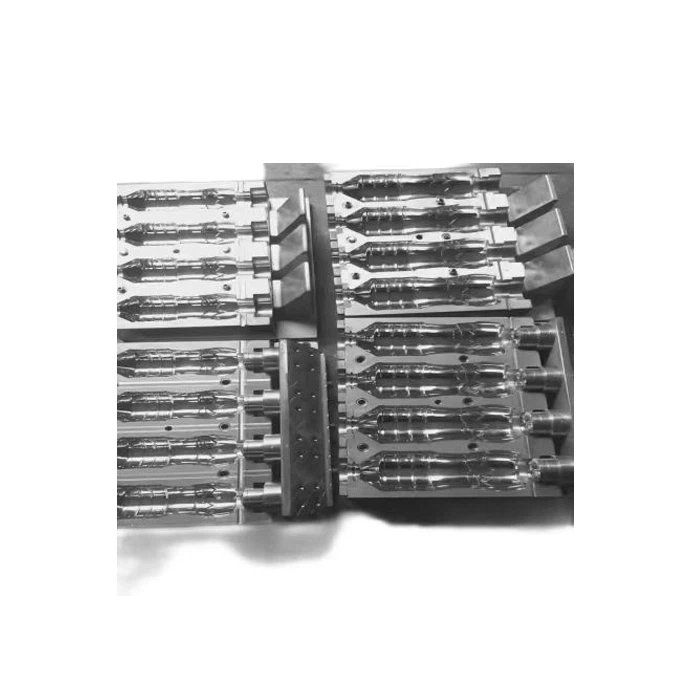

If you're in the market for a high - quality PET Bottle Blowing Mold, 8 Cavity Blow Mold, or 4 Cavity Blow Mold, we are here to help. Our team of experts can provide you with customized solutions based on your specific requirements. Whether you need a mold for small - scale production or high - volume manufacturing, we have the expertise and resources to deliver a durable and reliable blow mold. Contact us to start a procurement discussion and take your production to the next level.
References
- Campbell, J. D. (2012). Manufacturing Engineering & Technology. Pearson.
- Dieter, G. E., & Schmidt, L. C. (2008). Mechanical Metallurgy. McGraw - Hill.
- Kalpakjian, S., & Schmid, S. R. (2014). Manufacturing Processes for Engineering Materials. Pearson.


