


Hey there! I'm a supplier of blowing molds, and I've seen firsthand how important it is to keep these molds in top - notch condition. A well - maintained blowing mold can not only extend its service life but also ensure the quality of the products it produces. So, let's dive into how to maintain a blowing mold.
Regular Cleaning
The first step in maintaining a blowing mold is regular cleaning. Over time, plastic residues, lubricants, and other contaminants can build up on the mold surface. This buildup can affect the quality of the molded products, causing defects like surface roughness or uneven wall thickness.
To clean the mold, start by removing any loose debris. You can use a soft - bristle brush or compressed air to do this. For more stubborn residues, a mild detergent or a specialized mold cleaner can be used. Just make sure to follow the manufacturer's instructions when using these cleaners. After cleaning, rinse the mold thoroughly with clean water and dry it completely. A damp mold can lead to rust and corrosion, which are big no - nos.
Inspection for Wear and Tear
Regular inspection is crucial. You should check the mold for any signs of wear and tear, such as cracks, scratches, or excessive erosion. Cracks can cause leaks during the molding process, leading to defective products. Scratches can also affect the surface finish of the molded items.

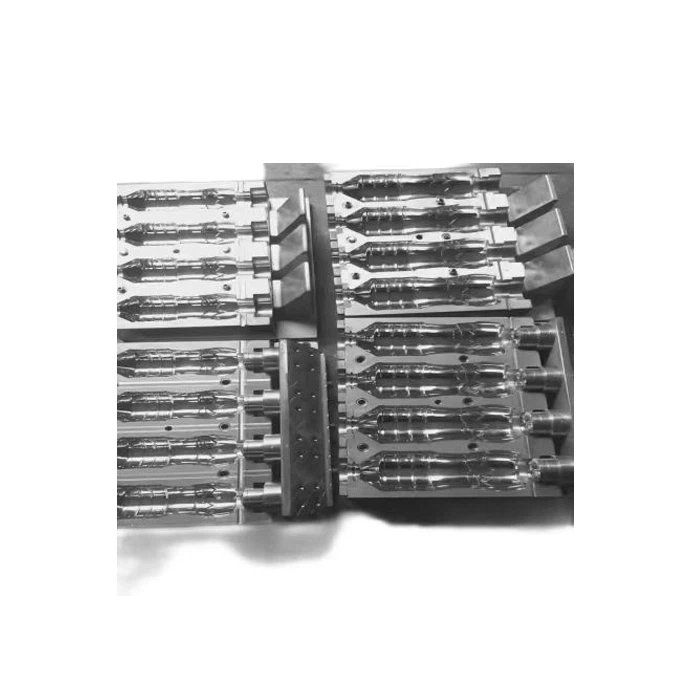
Use a magnifying glass or a borescope for a more detailed inspection. Pay special attention to areas that are under high stress, like the parting line, the gate area, and the core. If you notice any minor damage, it's important to address it right away. Small scratches can be polished out, while more significant damage might require welding or machining repairs.
Lubrication
Proper lubrication is another key aspect of blowing mold maintenance. Lubricants help reduce friction between moving parts, which can prevent premature wear. They also assist in the smooth opening and closing of the mold.
Choose a high - quality lubricant that is compatible with the materials used in the mold. Apply the lubricant to the appropriate areas, such as the guide pins, the ejector pins, and the slide mechanisms. Make sure not to over - lubricate, as excess lubricant can attract dust and debris, which can cause more problems.
Temperature Control
Maintaining the right temperature is essential for the performance and longevity of a blowing mold. During the molding process, the mold is exposed to high temperatures, and rapid temperature changes can cause thermal stress, leading to cracks and other damage.
Use a temperature - control system to regulate the temperature of the mold. This can involve using heating or cooling channels within the mold. Keep the temperature within the recommended range specified by the mold manufacturer. Consistent temperature control not only protects the mold but also improves the quality of the molded products.
Storage
When the mold is not in use, proper storage is vital. Store the mold in a clean, dry, and temperature - controlled environment. This helps prevent rust and corrosion.
Before storing, make sure the mold is clean and dry. Apply a protective coating, such as a rust inhibitor, to the mold surface. You can also cover the mold with a plastic sheet to protect it from dust and dirt. If possible, store the mold in an upright position to avoid any deformation.
Training and Documentation
It's important to train your staff on proper blowing mold maintenance procedures. They should know how to clean, inspect, lubricate, and store the mold correctly. Well - trained employees can spot potential problems early and take appropriate action.
Keep detailed documentation of all maintenance activities. This includes records of cleaning schedules, inspection results, repair work, and lubrication applications. Documentation helps you track the history of the mold, identify recurring issues, and plan for future maintenance.
Related Products
If you're interested in different types of blowing molds, we offer a variety of options. Check out our Blow Moulding Mold for general - purpose applications. For smaller - scale production, our 1 Cavity Blow Mold might be a great choice. And if you need higher production volumes, our 4 Cavity Blow Mold can meet your demands.
Conclusion
Maintaining a blowing mold is a multi - faceted process that requires attention to detail and consistent effort. By following these maintenance tips, you can ensure that your blowing mold stays in great condition, producing high - quality products for a long time.
If you're in the market for a new blowing mold or need advice on mold maintenance, don't hesitate to reach out. We're here to help you with all your blowing mold needs. Whether you're a small - scale manufacturer or a large - scale production facility, we can provide the right solutions for you. Contact us to start a procurement discussion and find the perfect blowing mold for your business.
References
- "Plastic Blow Molding Handbook" by John Barnes
- Industry guidelines on blowing mold maintenance from leading mold manufacturers.


