


Hey there! As a supplier of 32 Cavity Preform Molds, I've dealt with the ins and outs of transporting these valuable pieces of equipment. It's not as simple as just loading them up and shipping them off. In this blog, I'll share some tips on how to transport a 32 Cavity Preform Mold safely and efficiently.

Understanding the Mold
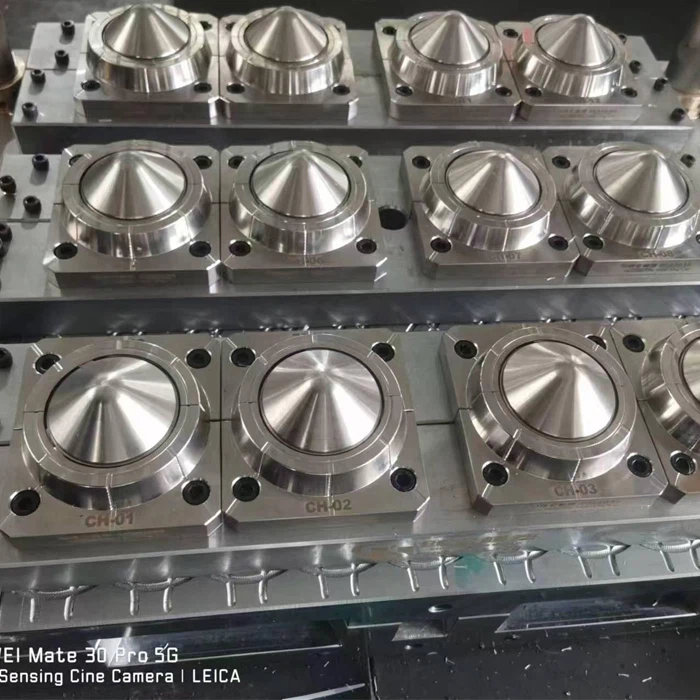
First things first, let's talk about what a 32 Cavity Preform Mold is. These molds are used to create preforms, which are then blown into plastic bottles, jars, and other containers. They're made of high - quality steel and are precision - engineered to ensure consistent and high - quality preform production. With 32 cavities, they can produce a large number of preforms in a single cycle, making them a valuable asset for any plastic manufacturing business.
Pre - transport Preparation
Before you even think about moving the mold, you need to do some prep work.
Cleaning and Inspection
Give the mold a thorough cleaning. Remove any debris, plastic residue, or lubricants from the surface. This not only makes the mold look good but also helps in identifying any potential issues. During the cleaning process, conduct a detailed inspection. Check for any signs of wear and tear, cracks, or misalignments. If you find any problems, it's better to fix them before transport to avoid further damage.
Disassembly (if necessary)
In some cases, it might be a good idea to disassemble the mold into smaller parts. This can make it easier to handle and transport, especially if the mold is large and heavy. However, this should be done with caution. Make sure you have a detailed plan for reassembly and label all the parts clearly. Keep all the small components, like screws and bolts, in a safe container.
Packaging
Proper packaging is crucial for protecting the mold during transport. Use high - quality packaging materials, such as wooden crates or heavy - duty plastic containers. Line the inside of the crate with foam or other cushioning materials to absorb shocks and vibrations. Wrap the mold in protective plastic or bubble wrap to prevent scratches and damage from moisture.
Choosing the Right Transport Method
There are several transport methods available, and the choice depends on various factors like distance, cost, and urgency.
Road Transport
This is a common choice for local or regional transport. Trucks are relatively flexible and can deliver the mold directly to the destination. When choosing a trucking company, make sure they have experience in transporting heavy and delicate equipment. Look for trucks with shock - absorbing suspension systems to minimize the impact of bumps on the road.
Rail Transport
For longer distances within a country, rail transport can be a cost - effective option. Railways are generally more stable than roads, which means less risk of damage due to vibrations. However, rail transport might require additional handling at the loading and unloading points, so you need to ensure that the handlers are trained to deal with preform molds.
Air Transport
If you need to transport the mold quickly, especially for international shipments, air transport is the way to go. It's fast, but it can be expensive. When using air transport, make sure the mold is properly packaged to meet the airline's requirements. Also, check if there are any special regulations regarding the transport of industrial equipment.
Handling During Transport
Once the mold is on its way, proper handling is essential.
Loading and Unloading
Use appropriate lifting equipment, such as cranes or forklifts, to load and unload the mold. Make sure the operators are trained and experienced in handling heavy and delicate items. When lifting the mold, use the correct lifting points to avoid any stress on the mold structure.
Securing the Load
During transport, the mold needs to be securely fastened to prevent it from shifting. Use straps, chains, or other securing devices to keep the mold in place. Make sure the load is balanced to avoid any uneven stress on the transport vehicle.
Insurance
No matter how careful you are, there's always a risk of damage during transport. That's why it's important to get insurance for the mold. Work with a reliable insurance provider who understands the value of the mold and can offer adequate coverage. Make sure you read the policy carefully and understand what's covered and what's not.
After - transport Checks
Once the mold arrives at its destination, it's time for another inspection. Check for any signs of damage that might have occurred during transport. If you find any issues, document them immediately and contact the insurance company if necessary. Also, if the mold was disassembled, reassemble it according to the plan and conduct a test run to ensure it's working properly.
Other Considerations
If you're interested in exploring other types of preform molds, we also offer 72 Cavity Preform Mold. It's a great option if you need to increase your production capacity. We also have Plastic Preform Mold for general plastic container production and Jar Preform Mold specifically designed for jars.
Conclusion
Transporting a 32 Cavity Preform Mold requires careful planning and attention to detail. By following these steps, you can ensure that the mold arrives at its destination in good condition. If you're in the market for a 32 Cavity Preform Mold or have any questions about transport, feel free to reach out. We're here to help you with all your preform mold needs. Let's start a conversation and see how we can work together to meet your production goals.
References
- Industry best practices for transporting industrial equipment
- Experience from past mold transport projects


