


As a supplier of 4 Cavity Blow Molds, I've witnessed firsthand the remarkable impact these molds have on product manufacturing. One of the key aspects that often gets overlooked but is of utmost importance is the acoustic performance of products made using a 4 Cavity Blow Mold. In this blog, we'll delve into what the acoustic performance entails, how the 4 Cavity Blow Mold influences it, and why it matters in various industries.
Understanding Acoustic Performance
Acoustic performance refers to how a product interacts with sound. It encompasses a range of factors, including sound insulation, sound absorption, and sound transmission. In simple terms, it's about how well a product can block out unwanted noise, absorb sound waves, or prevent sound from passing through it.
Sound insulation is crucial in environments where noise reduction is essential, such as in automotive interiors, building construction, and industrial machinery. A product with good sound insulation properties can create a quieter and more comfortable space. Sound absorption, on the other hand, is important in places like recording studios, auditoriums, and offices, where echoes and reverberations need to be minimized to improve speech clarity and audio quality.
The Role of 4 Cavity Blow Mold in Acoustic Performance
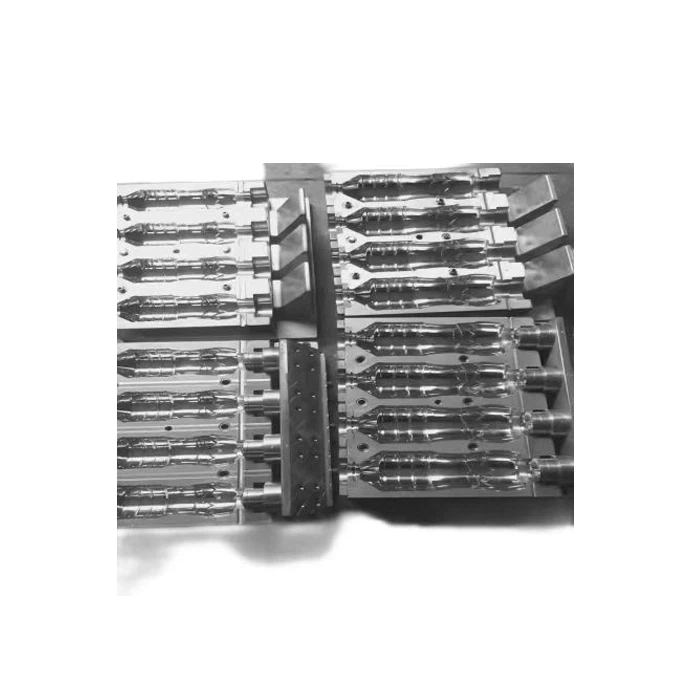
The 4 Cavity Blow Mold is a highly efficient tool for mass-producing hollow plastic products. It allows for the simultaneous production of four identical parts in a single molding cycle, which significantly increases productivity and reduces manufacturing costs. But how does it affect the acoustic performance of the final products?
One of the key advantages of using a 4 Cavity Blow Mold is the ability to control the wall thickness and structure of the molded products. By precisely adjusting the mold design and the blow molding process parameters, we can create products with uniform wall thickness and specific internal structures that enhance their acoustic properties.
For example, we can design the mold to create products with a double-wall or multi-layer structure. These structures can act as a barrier to sound transmission, effectively reducing the amount of noise that passes through the product. Additionally, the air gaps between the layers can absorb sound waves, further improving the acoustic performance.
Another way the 4 Cavity Blow Mold influences acoustic performance is through the choice of materials. We can select plastic materials with good acoustic properties, such as high-density polyethylene (HDPE) or polypropylene (PP). These materials have inherent sound insulation and absorption characteristics, which can be further enhanced through the blow molding process.
Applications and Benefits of Products with Good Acoustic Performance
The products made using a 4 Cavity Blow Mold and with excellent acoustic performance have a wide range of applications in various industries.
Automotive Industry
In the automotive industry, noise reduction is a major concern for both manufacturers and consumers. Products such as automotive interior trim panels, door panels, and engine covers made using a 4 Cavity Blow Mold can significantly reduce the amount of noise entering the vehicle cabin. This not only improves the driving experience but also enhances the overall quality and value of the vehicle.

Building and Construction Industry
In the building and construction industry, sound insulation is essential for creating comfortable and quiet living and working environments. Products like wall panels, ceiling tiles, and insulation materials made using a 4 Cavity Blow Mold can effectively reduce the transmission of noise between rooms and from the outside environment. This can lead to energy savings by reducing the need for excessive heating or cooling to compensate for noise-related discomfort.
Industrial Machinery
In industrial settings, noise pollution can be a serious problem for workers' health and safety. Products such as machine enclosures, covers, and silencers made using a 4 Cavity Blow Mold can help reduce the noise generated by industrial machinery. This not only protects the workers but also improves the overall efficiency and productivity of the workplace.
Comparing with Other Molding Methods
When it comes to manufacturing products with good acoustic performance, the 4 Cavity Blow Mold has several advantages over other molding methods.
Compared to injection molding, blow molding allows for the production of hollow products with a more complex shape and a thinner wall thickness. This can result in products with better acoustic properties, as the hollow structure can act as a natural sound absorber. Additionally, blow molding is a more cost-effective method for mass-producing large quantities of products, making it a preferred choice for many industries.
Compared to traditional fabrication methods, such as welding and assembly, the 4 Cavity Blow Mold offers a more integrated and seamless manufacturing process. This can eliminate the joints and seams that can potentially allow sound to leak through, resulting in products with better sound insulation.
How to Ensure Optimal Acoustic Performance
To ensure that the products made using a 4 Cavity Blow Mold have optimal acoustic performance, several factors need to be considered during the design and manufacturing process.
First, the mold design should be carefully optimized to achieve the desired wall thickness and internal structure. This may involve using computer-aided design (CAD) and simulation software to model the sound behavior of the product and make necessary adjustments to the mold design.
Second, the choice of materials is crucial. As mentioned earlier, selecting plastic materials with good acoustic properties is essential. Additionally, the material properties, such as density, stiffness, and damping characteristics, should be carefully considered to ensure that they are suitable for the specific application.
Third, the blow molding process parameters, such as temperature, pressure, and blow ratio, need to be precisely controlled. These parameters can affect the wall thickness, density, and structure of the molded product, which in turn can impact its acoustic performance.
Conclusion
In conclusion, the acoustic performance of products made by a 4 Cavity Blow Mold is a crucial aspect that offers significant benefits in various industries. The ability to control the wall thickness, structure, and material properties of the molded products allows for the production of items with excellent sound insulation and absorption capabilities. Whether it's in the automotive, building and construction, or industrial machinery sectors, products with good acoustic performance can enhance the quality, comfort, and safety of the end-users.
If you're interested in exploring the potential of 4 Cavity Blow Molds for your product manufacturing needs and achieving optimal acoustic performance, I encourage you to [contact us for a detailed discussion](mailto: your_email@example.com). We have a team of experienced engineers and technicians who can work with you to design and manufacture the perfect mold for your specific requirements. Visit our website for more information on Blow Moulding Mold, 4 Cavity Blow Mold, and PET Bottle Blowing Mold.
References
- "Blow Molding Handbook" by James L. Throne
- "Acoustics: An Introduction" by Trevor Cox and Peter D'Antonio
- Industry reports on automotive, building, and industrial machinery noise reduction requirements.


